


Vitamin C skincare can be surprisingly confusing: serum or cream, morning or night, one product or a whole set? I wrote this guide to help you choose a useful place for vitamin C in your routine, with less guesswork about formulas, layering and expectations.
Quick answer: Build vitamin C skincare around cleansing, one suitable vitamin C product, moisturizer and daytime sunscreen. Choose by formula and comfort, introduce one change at a time, and follow the label. Vitamin C does not replace sun protection.
Start with the decision table if you are choosing a product. Then use the morning and evening examples to see where it belongs, which steps you can leave out, and what to do if your skin or your makeup dislikes the combination.
What Can Vitamin C Skincare Realistically Do?
Vitamin C is an antioxidant ingredient used in skincare aimed at dullness, uneven-looking tone and visible signs of aging. The American Academy of Dermatology's skincare guidance includes vitamin C serum or cream as an option for dark spots and skin aging. That makes it a possible addition to a routine, not a requirement for everyone with healthy, comfortable skin.
The important word is formula. A bottle contains a complete mixture, not an isolated ingredient. Research on one form of vitamin C cannot establish that every serum, cleanser or cream containing another form will perform identically. Packaging, the rest of the ingredient list, how you use the product and your individual response all matter when you decide whether to keep it.
For example, a randomized study of a 5% vitamin C cream assessed photoaged skin over six months and found improvements compared with the cream base. It did not test a Neutriherbs product. It also does not establish an overnight result, a universal ideal percentage or a promise that a particular mark will disappear.
Set a cosmetic goal you can describe clearly: perhaps your complexion looks dull, or you want a more even-looking finish. Vitamin C skincare is not a treatment for a changing mole, a painful rash or an unexplained new patch of pigmentation. Those concerns need appropriate medical assessment rather than another bottle added to the shelf.
Read the Formula Before Comparing Percentages
Start with the full ingredient list. “Vitamin C” on the front of a package is a category description; the ingredient list tells you which form is actually present. Ascorbic acid, 3-O-ethyl ascorbic acid and other vitamin C derivatives are different ingredient names. Keep those distinctions when comparing products or reading a study.
You may have seen advice that every vitamin C product must have a particular acidic pH or concentration. An often-cited percutaneous absorption study investigated L-ascorbic acid and selected derivatives in pig skin. Its findings are useful formulation research, but they are not a universal shopping rule for every finished cream or derivative-based serum.
A percentage alone also leaves practical questions unanswered. What exactly does the percentage describe? Is it clearly stated for the product you are buying? Does the current ingredient list match the description? If a product page does not establish the finished formula's concentration, avoid filling the gap with a number copied from a different product or an old review.
Next, read the complete formula for ingredients you personally need to avoid. A botanical ingredient is still an ingredient. A product can have an appealing texture and still contain a fragrance component that does not suit you. Check the package you receive as well as the current product page, because the label on an older bottle may differ from today's listing.
Finally, compare practical fit: the amount supplied, instructions, packaging, total cost and the step it would replace or add. A product that duplicates a step you already enjoy may offer less value to your routine than one that fills an actual gap. You do not need to buy a serum simply because someone else's routine includes one.
Choose a Routine Role: Serum, Cream or Set
A serum is usually chosen as a separate targeted step. A cream is chosen for moisturization as well as whatever additional ingredients it contains. Those roles can overlap, so start by asking what your current routine is missing. If your moisturizer already feels good, keeping it and adding one suitable serum may be straightforward. If you want fewer products, a vitamin C moisturizer may be the option worth comparing.
| Your starting point | Option to consider | What to check first |
|---|---|---|
| You already like your moisturizer | A vitamin C serum before it | Formula, directions and compatibility with your existing layers |
| You want moisturization with fewer steps | A vitamin C face cream | Comfort, texture and the full ingredient list |
| You are considering a whole matching set | Only the items with a clear role | Whether you need every item and can introduce them separately |
| Your current routine already irritates | Pause the new purchase | Resolve the reaction before adding another optional product |
A cleanser and a leave-on product also have different jobs. Choose a cleanser because it cleans comfortably and suits your cleansing needs. Do not assume that washing with a vitamin C cleanser supplies the same use pattern or evidence as leaving on a serum. The shared ingredient name does not make the products interchangeable.
A matching range can make shopping convenient, but matching labels are not a reason to replace every product at once. Lay out your current cleanser, moisturizer and sunscreen. Write the proposed new product beside its intended step. If you cannot explain what that step adds, wait before buying it.
A Simple Decision Flow
- Is your current routine comfortable? If not, address that first.
- Do you mainly need a moisturizer? Compare a cream with your usual moisturizer.
- Do you already have a moisturizer you like? Compare one serum as an optional additional step.
- Can you use it without rushing sunscreen or adding several new actives? If yes, test the product and introduce it carefully.
Before Your First Application
Read the directions before opening the bottle, including the cautions. Check the seal, product name and any expiry or period-after-opening information. Keep the packaging long enough to retain the ingredient list and batch information. This makes a later product question easier to answer than trying to identify an unlabelled bottle from memory.
The AAD recommends testing a new skincare product on a small area twice daily for seven to ten days, using the usual amount and leaving it on for its normal contact time. Follow the product's own restrictions. If redness, itching or swelling develops, wash it off and stop using it. Severe or persistent symptoms warrant professional advice.
A home product test is not a diagnosis of allergy and cannot promise that your face will tolerate every future application. Its purpose is to give you a more cautious introduction than putting several unfamiliar products over your whole face at once. If you have a diagnosed skin condition or a history of significant reactions, ask your dermatologist how to introduce new products.
Choose a period when your routine is otherwise predictable. The night before an important event is an inconvenient moment to experiment. Keep a short note of the date, product and amount used. One change is much easier to evaluate than a new serum, exfoliant, moisturizer and sunscreen introduced together.
Build a Practical Morning Vitamin C Routine
1. Cleanse in a way your skin already tolerates
Begin with your usual gentle cleansing approach, following the cleanser's directions. Avoid using extra scrubbing as preparation for a serum. For the Neutriherbs Vitamin C Serum discussed below, the directions specify washing and patting the skin dry before application. Let the individual product's instructions guide this detail rather than a universal rule from a social media routine.
2. Apply the vitamin C step
If you choose a serum, use the directed amount and spread it evenly without repeatedly rubbing the same area. The current Neutriherbs serum directions call for a thin layer and letting it dry before moisturizer. If you use a toner, those directions place it before the serum; a toner is not a purchase you must make just to build this routine.
If you choose a vitamin C cream as your moisturizer instead, you can keep the routine shorter. Do not add a second vitamin C product simply to make the routine look complete. Your choice should leave room for comfortable moisturization and sunscreen, and it should be something you can repeat on an ordinary workday.
3. Moisturize where needed
Use the moisturizer that works with your skin and the products underneath. A serum can feel hydrating without replacing the moisturizer you normally need. If you are already using a vitamin C face cream, count it as that moisturizing step rather than automatically adding another cream on top.
4. Finish with daytime sun protection
The AAD recommends broad-spectrum, water-resistant sunscreen with SPF 30 or higher. Follow the sunscreen's application and reapplication directions, and use shade and protective clothing. A vitamin C serum or ordinary face cream does not acquire an SPF because it contains an antioxidant.
Keep the sunscreen step intact when time is short. If an optional layer makes mornings rushed, simplify the optional layers. Apply makeup afterward according to the sunscreen and makeup instructions. There is no need to turn this into a timed laboratory exercise: allow the products to settle as directed, and make changes if the combination rolls or feels uncomfortable.
Keep Your Evening Routine Manageable
Morning is not the only possible time for vitamin C skincare. Check the chosen product's label; the Neutriherbs serum and face cream discussed here have morning and evening directions. An evening application may be easier for someone who wants a shorter morning routine or whose preferred serum does not sit comfortably under makeup.
Start by removing makeup and sunscreen with your usual suitable cleansing routine. If vitamin C is your chosen evening step, apply it in the order specified for that product and follow with moisturizer where appropriate. A simple evening can stop there. A separate mask, facial oil and second serum are optional additions, not missing pieces you must buy.
If your evening already includes a prescription treatment, follow your prescriber's instructions before adding anything. If it includes an exfoliant or retinol that sometimes leaves you uncomfortable, adding another active product to the same session is not a useful way to troubleshoot. Keep the existing routine understandable and ask for advice when tolerability is uncertain.
You also do not have to chase twice-daily use just because a label permits it. Follow the directions and your skin's response; do not force a frequency that causes irritation. If the routine becomes difficult to maintain, review which optional step matters most to you. Consistency should mean a manageable habit, not continuing a product through a reaction.
Adjust the Plan to Your Skin and Schedule
If your skin feels dry or tight
Make moisturization the first purchasing question. Adding a serum does not answer whether your existing cream is comfortable enough. You might prefer one suitable moisturizing product to an extra layer, or you might keep a familiar moisturizer and trial a serum separately. Decide from how your skin feels through the day, not from whether a product is marketed as an essential.
If you dislike heavy textures
Compare the finish and layering of the actual products you own. A small, directed amount of serum under a familiar moisturizer may be easy to manage, but the word “serum” does not guarantee a weightless result. Likewise, a cream is not automatically too rich. Test the complete routine without changing your sunscreen at the same time.
If you have combination skin
Write down where the routine feels comfortable and where it does not. Your cheeks and forehead may not have the same preferences. This note is more useful than assuming that a single skin-type label determines every purchase. Follow product directions, and consider whether the moisturizer amount or an unnecessary layer is what needs attention.
If dark marks are your main concern
Keep the aim specific: reducing the appearance of uneven tone is different from trying to change your natural skin color. The AAD's guidance on dark spots in darker skin tones emphasizes identifying the cause and protecting skin from the sun. It also explains that irritating skincare can contribute to dark spots. More aggressive layering is therefore a poor default response to slow progress.
If you are shopping on a limited budget
List what you already have before comparing prices. Prioritize the routine's basic needs, then consider one vitamin C option if it fits your goal and budget. A larger bundle is only useful if its contents will be used. Compare the final checkout cost and delivery terms for your destination rather than assuming that the displayed product price is the total.
Pairing Vitamin C With Other Ingredients
Ingredient pairing is easier when you start with the complete formulas in front of you. Two separate products may already contain some of the same ingredients. Adding a second bottle can make the routine more complicated without adding a distinct role. Read the lists before assuming that every ingredient mentioned online needs its own step.
Niacinamide and hydrating ingredients
The current Neutriherbs Vitamin C Serum ingredient list already includes niacinamide, glycerin and sodium hyaluronate alongside 3-O-ethyl ascorbic acid. That is a concrete example of ingredients formulated together. It does not prove that every pair of separately purchased serums will layer comfortably, nor does it make a separate niacinamide or hydrating serum compulsory.
If you already use another serum, ask what you want it to contribute. You may decide to keep it at a different time, remove it while trialing the new product, or simply keep your existing routine. Avoid using multiple changes to solve a question that one careful trial could answer.
Retinol and exfoliating acids
For a beginner, a useful organizational choice is to keep an established retinol or exfoliating step in a separate session while evaluating vitamin C. This is a way to limit simultaneous changes, not a declaration that two ingredient names are universally incompatible. Product instructions and any clinician's treatment plan take priority over a generic layering chart.
Do not create your own mixture by adding serum to an acid, cream or sunscreen in your palm. Use finished products as directed. If a product causes burning, persistent redness or peeling, stop and reassess instead of trying to cancel the reaction with another active. No pairing strategy makes an irritating routine worth continuing.
Two Neutriherbs Options With Different Roles
The products below were checked against their public ingredient lists and directions on September 17, 2026. Use the current product page and the package you receive for the latest information. Neither recommendation means that you need both, and ingredient research is not a clinical trial of either finished product.
For a separate targeted step: Vitamin C Serum
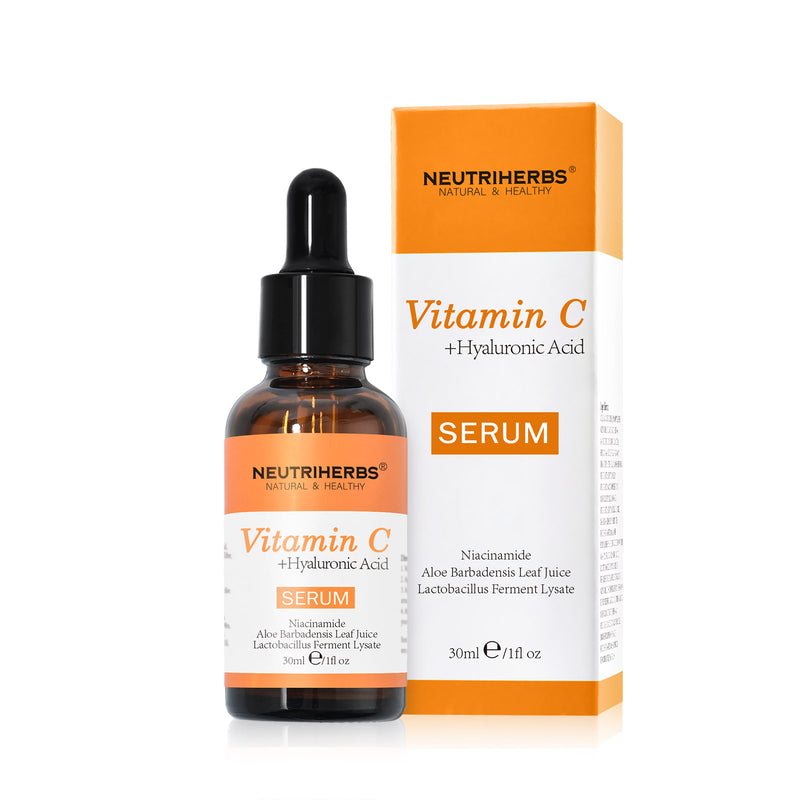
Consider it if: you already have a moisturizer you like and want to compare a lightweight additional step for dullness or uneven-looking tone.
The current formula lists 3-O-ethyl ascorbic acid, niacinamide, glycerin and sodium hyaluronate. It also lists parfum, so check carefully if you avoid fragrance. We do not describe this serum as 20% pure L-ascorbic acid or transfer a concentration from another serum.
How it fits: the directions specify a thin layer on clean, dry skin, letting it dry before moisturizer. Avoid the eyes, do not ingest, and discontinue if redness or irritation occurs. It is not intended for children under three.
For the moisturizing step: Vitamin C Face Cream
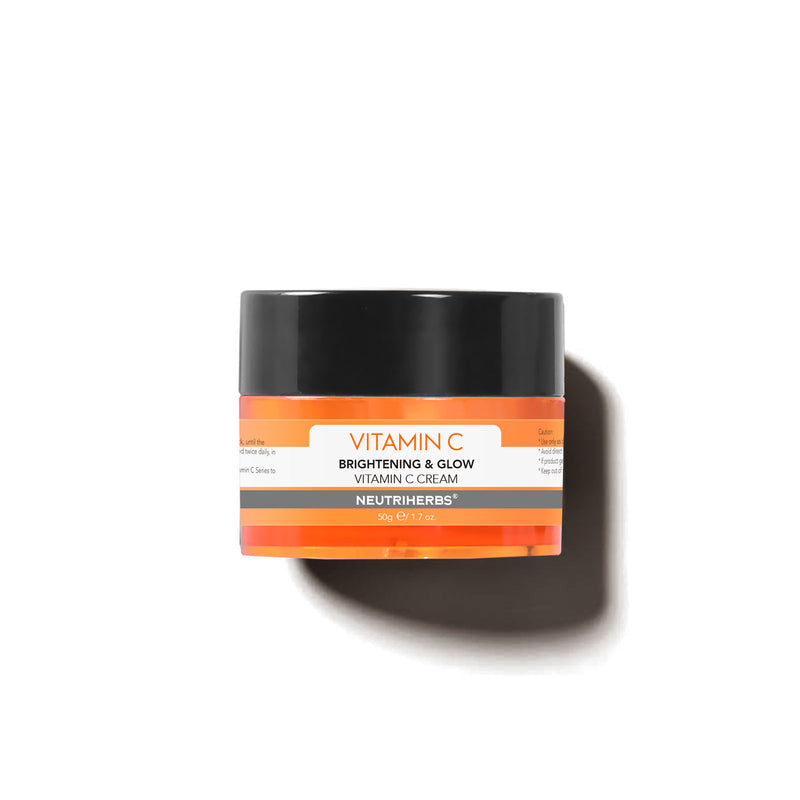
Consider it if: you are choosing a daily moisturizer and prefer a cream that also includes vitamin C ingredients. This can be an alternative route to a shorter routine.
The current ingredient list includes ascorbic acid polypeptide, 3-O-ethyl ascorbic acid, niacinamide and arbutin. It also includes orange peel oil; do not assume it will suit someone who avoids fragrance-related ingredients. The page describes a lightweight texture, but individual comfort still needs testing.
How it fits: apply the directed amount to the face and neck and massage gently. Keep it away from the eyes, rinse thoroughly if contact occurs, and follow the label's cautions. It is for external use and is not intended for children under three. Use daytime sunscreen separately.
Troubleshoot the Routine Before Buying More
The products roll into little flakes
This visible rolling is often called pilling. It does not, by itself, measure how much vitamin C reached your skin. Make a practical note of which layer starts rolling. On a later application, simplify optional layers, follow the directed amounts and let each product settle as instructed. Do not reduce sunscreen below its recommended amount to accommodate an optional serum.
The finish feels sticky or heavy
Check whether you are applying more than the directions suggest or using several similar products. You can compare a simpler version of the routine before replacing everything. For example, keep the same cleanser, moisturizer and sunscreen while evaluating one serum. If the finish still does not suit you, an evening slot or a different product choice may be more convenient.
Your skin stings or develops a rash
Do not interpret discomfort as evidence of effectiveness. Stop the new product and follow appropriate care advice; seek a dermatologist if symptoms are severe, persistent or difficult to explain. Keep the ingredient list and your introduction notes. Describing when the reaction began is more useful than repeatedly testing different combinations on already irritated skin.
You notice no visible difference
First check what you expected to change and whether you have a fair comparison. Different lighting can make the same face look dramatically different. If your main concern is a persistent or worsening mark, get advice about its cause. Buying a higher percentage or adding more products is not a reliable substitute for understanding the concern.
Store the Product According to Its Label
Keep the container properly closed and follow its storage instructions. The FDA explains that temperature, sunlight, air, moisture and contamination can affect cosmetic shelf life. Leaving a bottle in a hot car or storing an open jar in a damp place is therefore different from ordinary storage in its original packaging.
Record the opening date if the package gives a period after opening. Avoid sharing applicators, adding water or transferring the contents into an unlabelled container for daily storage. If you travel, retain the product identity and directions. Convenience should not make it impossible to tell what the product is or when you opened it.
Watch for an unexpected change in smell, texture, separation or color, but do not use color as a universal vitamin C strength test. Different formulas start with different appearances. If a product changes unexpectedly, is damaged or is past its labelled use period, stop and ask the seller or manufacturer for product-specific advice. Do not try to restore it with another ingredient.
Judge Progress Without Chasing a Deadline
Before starting, write one sentence about your goal and take a reference photo if you want one. Use the same place, lighting and camera settings for later comparisons. You are looking for a useful personal record, not a perfectly controlled clinical experiment. Filters, changing exposure and a new makeup finish make comparison harder.
Record comfort separately from appearance. A routine can feel easier to use before you notice any cosmetic change, and an attractive immediate finish does not prove a lasting change in uneven tone. Likewise, a product that repeatedly irritates is not a good routine fit just because its marketing promises strong results.
Decide on a sensible review point based on the product directions and any professional guidance you have received, without treating that date as a guaranteed result deadline. At that point, review the goal, consistency, comfort and cost together. Keeping the routine, simplifying it or seeking advice can all be reasonable outcomes. You do not owe any product an endless trial.
Common Questions About Vitamin C Skincare
Do I need vitamin C in every step?
No. Give each product a job. A comfortable cleanser, one suitable vitamin C option, moisturizer and sunscreen can be easier to evaluate than an entire new range. A matching toner, mask or eye product is optional unless it addresses a separate need that matters to you.
Should I use serum and cream together?
You can consider both if their roles are useful and the formulas suit you, but it is not a requirement. A familiar moisturizer can follow a vitamin C serum. A vitamin C cream can serve as your moisturizing step without a separate vitamin C serum.
Is a higher percentage always the better purchase?
No. A concentration without the ingredient form and complete formula is an incomplete comparison. Check what the number means for that exact product, then consider directions, comfort and routine fit. Do not apply a recommendation for one type of vitamin C to every derivative.
Can I replace sunscreen with vitamin C?
No. An antioxidant serum or an ordinary cream is not a sunscreen. Choose and use a labelled sunscreen according to its directions. Keep the sun-protection step even on days when you skip vitamin C.
Should I add vitamin C if I am already using treatment products?
Review your existing instructions first. For prescription treatment or a diagnosed skin condition, ask your clinician where, or whether, a new cosmetic belongs. You may be better served by keeping the current routine stable than by adding another optional step immediately.
Can I use the face serum around my eyes?
Follow its label. The Neutriherbs face serum and face cream discussed above say to avoid eye contact. Do not assume a facial product is an eye treatment simply because a different product in the same range is intended for that area.
Your Next Step
Choose one role for vitamin C, check the exact formula, and keep the rest of your routine understandable. The most useful purchase is one you can use comfortably and consistently. Start with what your skin and schedule need, then decide whether a serum or cream earns its place.
Continue Reading
- Vitamin C Serum or Cream: Which Do You Need?
- Best Morning Skincare Routine for a Fresh Glow
- Can You Use Vitamin C and Niacinamide Together?
This guide provides general cosmetic skincare information, not a diagnosis or medical treatment plan. Follow the product label and seek professional advice for severe, persistent or unexplained skin concerns.

