


A morning skincare routine for a fresh glow should fit your actual morning. If your shelf has become crowded, these seven practical changes will help you simplify it: keep gentle cleansing and sun protection, moisturize for comfort, and choose extras only when they have a clear job.
Build your morning routine around gentle cleansing, moisturizer as needed, and broad-spectrum SPF 30+ sunscreen. Use one optional serum for a specific cosmetic goal. Skip duplicate steps and follow each product label.
The aim is not to squeeze every useful ingredient into the same five minutes. It is to protect your skin, keep it comfortable, and make the routine easy enough to repeat. That usually means separating essentials from extras and changing only one thing at a time.
7 Ways to Simplify Your Morning Skincare Routine
1Start With a Three-Step Core
Before choosing a toner, essence, mist, eye product, oil, mask, or facial tool, write down the smallest routine you can realistically do. For most adults, the morning core is gentle cleansing, moisturizer when needed, and sunscreen. The American Academy of Dermatology similarly places cleansing first, followed by treatment or medication when relevant, then moisturizer and/or sunscreen.
Calling this the “core” does not mean that every other product is useless. It means an extra step needs to earn its place. If you cannot explain what a product contributes, or if you use it only because a video showed a long routine, pause it. A shorter routine makes it easier to notice whether a new product helps, irritates, pills under sunscreen, or simply adds time without improving how your skin feels.
If three steps are all you can manage on a busy day, that is still a routine. The AAD's budget skincare guide also supports keeping the basics manageable. Check what you already own before shopping: a comfortable moisturizer does not need replacing simply because a new ingredient is trending.
2Let Your Skin Decide How Much Morning Cleansing It Needs
Cleansing should remove what you do not want to carry into the day without leaving your face uncomfortably tight. A gentle cleanser can make sense if you wake up oily, used a heavier overnight product, exercised, or need to remove residue. If your skin feels dry and calm in the morning, a brief lukewarm-water rinse may be enough for some people.
The AAD's face-washing advice favors a gentle cleanser, lukewarm water, and fingertips. The important point is to avoid turning cleansing into scrubbing. More foam, hotter water, and a “squeaky” finish are not proof that your skin is cleaner. Harsh cleansing can add irritation before you even reach your serum or sunscreen. Use your fingertips, rinse thoroughly, and pat rather than rub with a clean towel.
For example, someone who cycles before work may need cleansing after sweating, while someone with dry-feeling skin may want to avoid an unnecessary second wash. This is a comfort-based decision, not a test of how disciplined you are. Keep your towel clean, use it gently, and avoid adding a scrub brush just to make a short routine feel more thorough.
If you have a diagnosed skin condition or persistent burning, itching, cracking, or rash, simplification can reduce guesswork but it does not replace medical care. A dermatologist can help you identify whether a cleanser, fragrance, preservative, treatment, or another factor is contributing.
3Give Only One Treatment the Morning Slot
Serums are optional, not an entry fee for having a proper routine. If you want one, choose it around one priority: visible dullness, uneven-looking tone, dryness, or another cosmetic concern. Then judge it by comfort, compatibility, and consistent use rather than by how many “active” ingredients you can stack.
Vitamin C is a common morning choice because it is used in antioxidant skincare, but it does not replace sunscreen. The current Neutriherbs Vitamin C Serum formula lists 3-O-ethyl ascorbic acid, niacinamide, sodium hyaluronate, and aloe-derived material. Its product directions place a thin layer after cleansing and toning and before moisturizer. Because the formula also contains fragrance and because tolerance differs, start conservatively and discontinue use if redness or irritation develops, as the product cautions instruct.
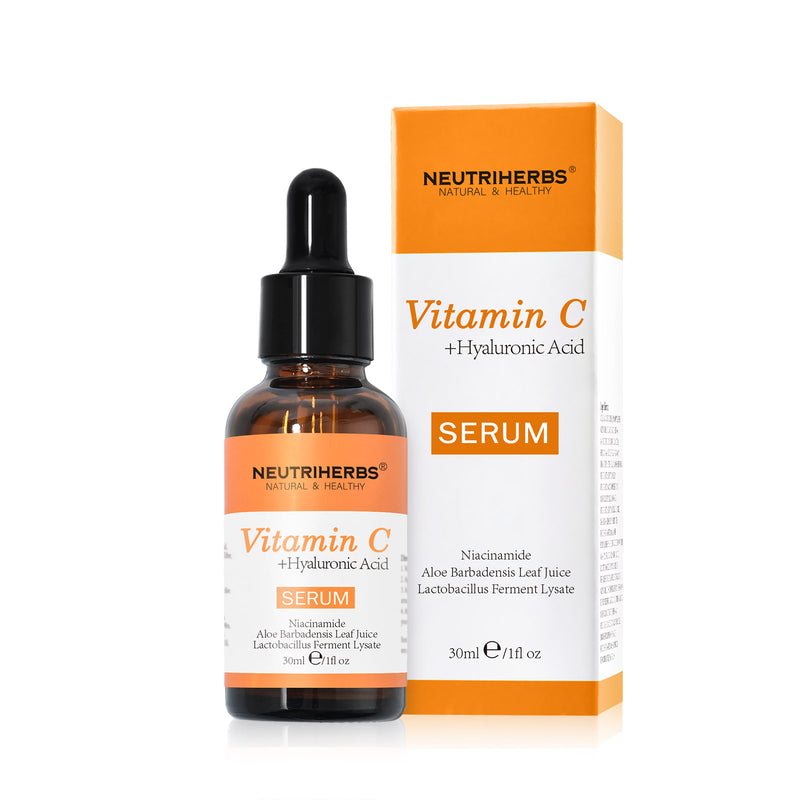
Vitamin C Serum Helps Lighten and Brighten Your Skin
Best fit: Someone who wants one lightweight serum for a brighter, more even-looking complexion.
Routine role: Follow the label: apply a thin layer after cleansing and toning, let it dry, then apply moisturizer. Avoid the eyes. This is optional and does not replace sunscreen.
Consider first: Patch test, introduce it without adding several other new products, and follow the current product directions.
See the Vitamin C SerumAlready using an exfoliating acid, retinoid, acne treatment, or prescription? Your simplest morning may be the one that keeps strong treatments in separate routines according to their directions. Do not move a night-only or label-restricted product into the morning just to complete a trend-driven checklist.
4Layer by Function, Not by a Memorized Ten-Step Rule
“Thin to thick” is a useful starting idea, but function matters more than texture alone. After cleansing, apply any leave-on treatment according to its label. Follow with moisturizer if you use one. Sunscreen belongs at the end of the skincare portion of your morning, before makeup.
You do not need a timer between every layer unless a product’s instructions say so. What you need is enough time for the previous layer to settle so that the next one spreads evenly instead of rolling into small flakes. If your sunscreen pills, try less product underneath before buying something new. One serum plus one moisturizer is usually easier to troubleshoot than toner, essence, two serums, oil, cream, primer, and sunscreen.
If a dermatologist or product label gives you a different sequence, follow that specific advice. Formulation and prescribed use matter more than a universal internet rule.
5Choose One Moisturizer That Solves the Morning Problem
The AAD's moisturizer selection guide explains why texture should match skin needs. Your moisturizer does not have to be the richest product you own. It needs to leave your skin comfortable and sit well under sunscreen. Dry-feeling skin may prefer a cream; oilier or humid-condition mornings may feel better with a lighter gel-cream. Climate, indoor air, cleansing habits, and treatments can all change what feels right, so your winter and summer choices do not have to match.
Avoid automatically layering a hydrating toner, hydrating essence, hyaluronic-acid serum, gel moisturizer, face oil, and cream. Those categories can each be useful, but using all of them is not inherently better. Start with one moisturizer. Add another hydration step only if you can identify a comfort problem the moisturizer does not solve.

4D Hyaluronic Acid Face Cream Plus
Best fit: Someone who wants a lightweight, fragrance-free gel-cream step before sunscreen.
Routine role: Use after an optional serum to support a comfortable, hydrated feel.
Limitation: This is a moisturizer, not a sunscreen. Its lightweight texture may not be enough for very dry areas; judge fit by comfort and stop if irritation occurs.
Explore the 4D Hyaluronic Acid Face Cream6Make Sunscreen the Step You Do Not Negotiate Away
If you simplify everything else, keep daily sun protection. The AAD recommends broad-spectrum, water-resistant SPF 30 or higher for exposed skin. Pair it with shade and protective clothing. The FDA sunscreen guide explains reapplication at least every two hours outdoors, with swimming and sweating instructions determined by the label.
Sunscreen is not a morning-only promise that lasts automatically until bedtime. Apply it generously to exposed areas and follow the specific label for timing and reapplication. If you wear makeup, plan how you will refresh protection rather than assuming a thin foundation layer is enough. If one sunscreen feels heavy, leaves a cast you dislike, or pills over several products, simplify the layers underneath and look for a texture you will actually use.
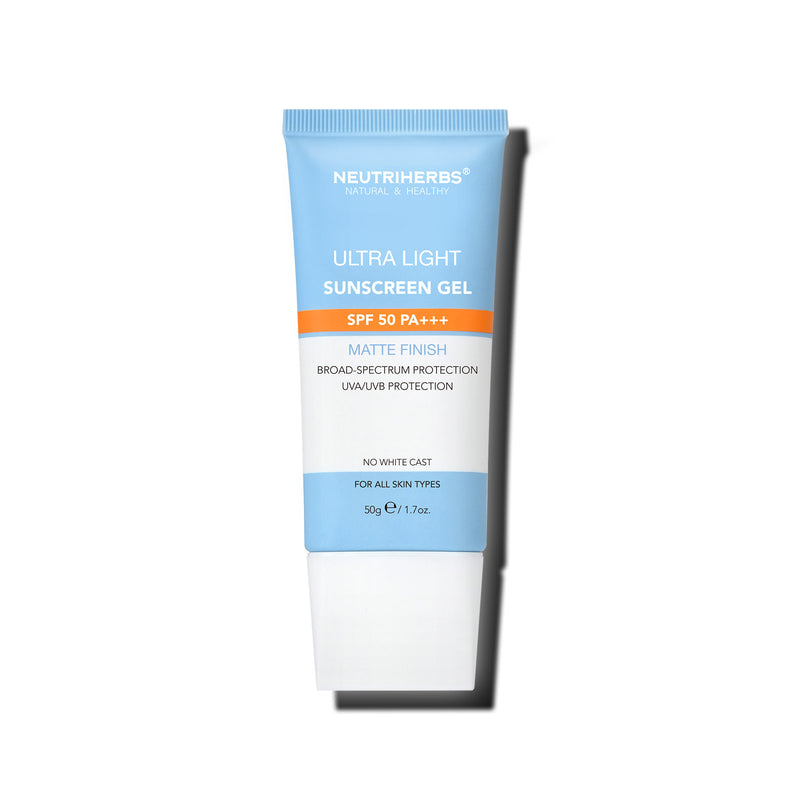
Ultra-light Sunscreen Gel SPF 50 PA+++
Best fit: Someone looking for a lightweight gel sunscreen as the final skincare layer.
Routine role: The current product page says to apply evenly 15–20 minutes before sun exposure and reapply every two hours during extended exposure, especially after swimming or sweating. Check the package instructions too.
Remember: No sunscreen blocks every UV ray. For swimming or exercise, check the package for a water-resistance duration; do not assume this product has an 80-minute rating.
Shop the Ultra-light Sunscreen Gel7Remove Friction From the Habit, Not Just Products From the Shelf
A routine can be only four products and still feel difficult if they are scattered across two rooms, hidden in boxes, or replaced every week. Put the products in use order in a suitable storage spot, away from direct sunlight and heat. Keep the morning set separate from night treatments. If you travel between home, work, or a gym, decide where sunscreen reapplication will live.
Then use a one-change rule. When you introduce a product, keep the rest of the routine steady long enough to observe comfort and compatibility. The AAD’s guidance on testing skincare products recommends applying a product to a small test area twice daily for seven to ten days before broader use. This cannot predict every delayed reaction, but it is more informative than starting three new products on the same morning.
Keep a small note if you are changing your routine: product name, start date, and what felt different. You do not need elaborate scores or daily close-up photographs. A note such as “cream comfortable, serum pills under sunscreen” gives you a practical next step: retry the moisturizer and sunscreen alone, then change one optional layer. Never reduce the sunscreen amount to solve pilling.
Watch for patterns rather than chasing instant feedback. If a product causes persistent burning, swelling, itching, blistering, or a worsening rash, stop using it and seek appropriate medical advice. Severe or sudden reactions need prompt professional attention.
Your Saveable Morning Checklist
- Cleanse gently, or rinse if that better suits your skin.
- Choose one optional treatment for one clear goal.
- Apply moisturizer when your skin needs it.
- Finish with broad-spectrum sunscreen and follow its label.
- Keep products in order and introduce only one change at a time.
Frequently Asked Questions
Do I need toner in a simple morning routine?
No. Toner can be useful when a particular formula serves a clear purpose, but it is not universally required. If your cleanser, moisturizer, and sunscreen already leave your skin comfortable, you do not need to add toner just to complete a sequence.
Can I skip moisturizer and use sunscreen only?
Sometimes. If your sunscreen is comfortable and moisturizing enough for your skin, a separate moisturizer may be unnecessary. If your skin feels tight, dry, or irritated, a compatible moisturizer underneath may help. Let comfort and the product directions guide you.
Is vitamin C required every morning?
No. Vitamin C is an optional antioxidant treatment. It may suit a goal such as improving the appearance of dullness or uneven-looking tone, but the essential protective step is sunscreen. Do not keep a serum that repeatedly irritates your skin simply because it is popular.
How many products are too many?
There is no universal number. You have too many when steps duplicate one another, cause irritation or pilling, exceed your time or budget, or make it harder to identify what is working. Start with the core and add only what solves a defined problem.
Should oily skin still use moisturizer?
Oily skin can still feel dehydrated or irritated. A lightweight moisturizer may be useful, especially if cleansing or treatment steps feel drying. Choose texture by comfort rather than assuming oiliness automatically means “no moisturizer.”
What if my products pill under sunscreen?
Use fewer layers, reduce the amount of optional products, let each layer settle, and check whether formulas are compatible. Begin with cleanser, one moisturizer if needed, and sunscreen. Add the serum back only after the simpler combination applies smoothly.
Conclusion
A simpler morning routine gives every step a clear job. Start with gentle cleansing, add one treatment only when it matches a real goal, moisturize for comfort, and protect exposed skin with sunscreen. A comfortable, repeatable routine is enough; every extra bottle needs a reason to stay.
Cosmetic education only: This article does not diagnose or treat a medical condition. Product availability and suitability can change, and individual responses vary. Follow current product labels and seek professional care for severe, persistent, painful, or sudden skin concerns.

